Pray · Litanies and prayers for causes
Litanies
The litany is the oldest prayer of the Christian people after the psalms: one voice invokes, all answer. It was born in processions — the Litany of the Saints was already sung in Rome in the sixth century — and spread to Our Lady, the Holy Name, the Sacred Heart and the saints. Here are all the litanies on this site, with the full text, in Latin where it exists, and the translation alongside.
Six litanies are approved for public worship and may be sung in church; the others are for private devotion, to be prayed at home, in a group or alone. At the end are the prayers for impossible causes — St Rita, St Jude, Padre Pio’s novena — and a litany for those who need work.
The six litanies approved by the Church
The only ones the Church has approved for public worship: sung in church, in processions and at Benediction.
 Litany of the Saints (short form)Sung at the Easter Vigil, at ordinations and in processionsThe oldest litany of the Roman Church
 Litany of Loreto — Litany of the Blessed Virgin MarySung at the end of the Rosary; with the invocations added in 1995 and 2020Litany of Loreto, approved by Pope Sixtus V in 1587
 Litany of the Most Holy Name of JesusEspecially in January, the month of the Holy NameTraditionally linked to Saint Bernardine of Siena, 15th century
 Litany of the Sacred Heart of JesusThirty-three invocations, the number of the years of Our Lord's lifeApproved for the whole Church by Pope Leo XIII in 1899
 Litany of the Most Precious Blood of JesusThe sixth litany approved for public worship — for July, month of the Precious BloodApproved for the whole Church by Saint John XXIII, 1960
 Litany of Saint JosephWith the seven invocations added by Pope Francis in the Year of Saint JosephApproved by Saint Pius X in 1909; seven invocations added in 2021
To God, the Blessed Sacrament and Our Lady
Litanies for private devotion to the Holy Spirit, the Eucharist and the sorrows of Mary.
 Litany of the Holy SpiritThe seven gifts, the twelve fruits and the Veni Sancte Spiritus in invocationsTraditional litany for private devotion, 19th century
 Litany of the Blessed SacramentFor adoration, Holy Hours and Corpus ChristiTraditional litany, in the Raccolta since the 19th century
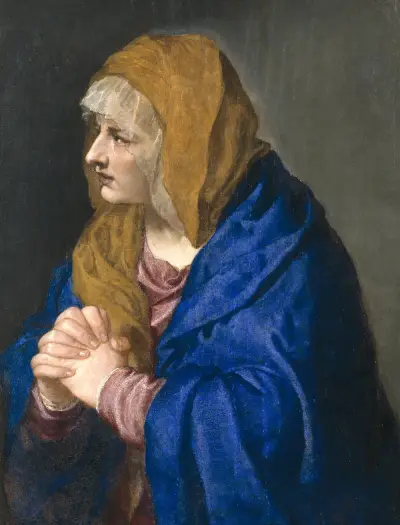 Litany of Our Lady of SorrowsFor 15 September, Holy Week and the Fridays of LentApproved by Pope Pius VII, 1809
 Litany of HumilityAsking to be freed from the desire of esteem and the fear of humiliationAttributed to Cardinal Rafael Merry del Val (†1930)
To the angels
St Michael, the Guardian Angel and the nine choirs.
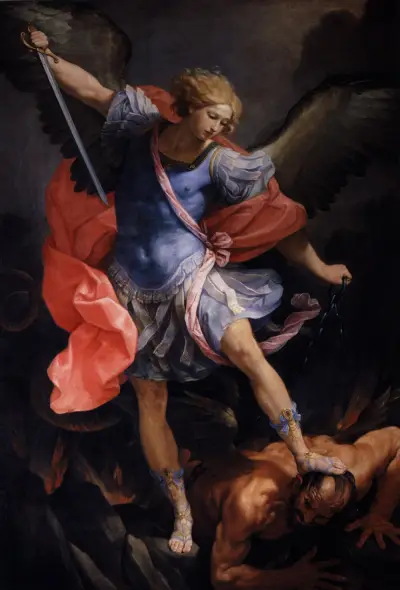 Litany of Saint Michael the ArchangelFor 29 September and the Lent of Saint Michael — the prince of the heavenly hostsTraditional litany for private devotion
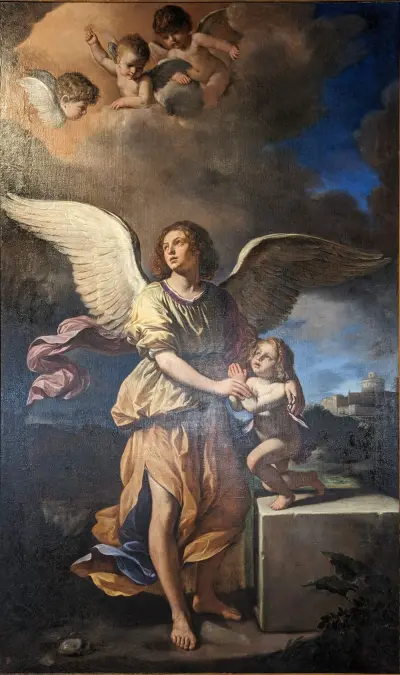 Litany of the Holy Guardian AngelFor 2 October and for every day — the angel God gives to each oneTraditional litany for private devotionChaplet of Saint Michael the ArchangelNine salutations, one for each choir of angelsRevealed, by tradition, to Antonia d'Astonac; indulgenced by Pius IX in 1851
To the saints
The life of each saint in invocations, for the feast day and for every day.
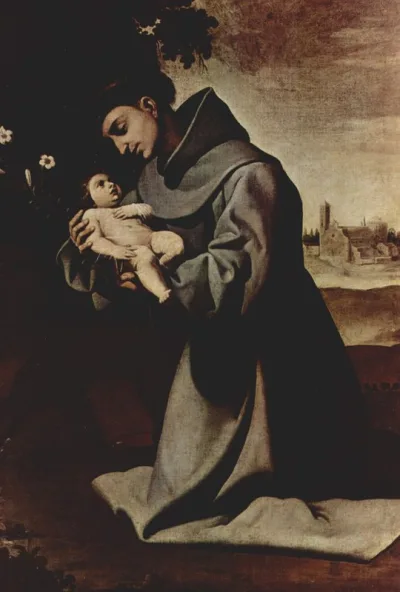 Litany of Saint Anthony of PaduaFor 13 June, the Tuesdays of Saint Anthony and whatever is lostTraditional litany for private devotion
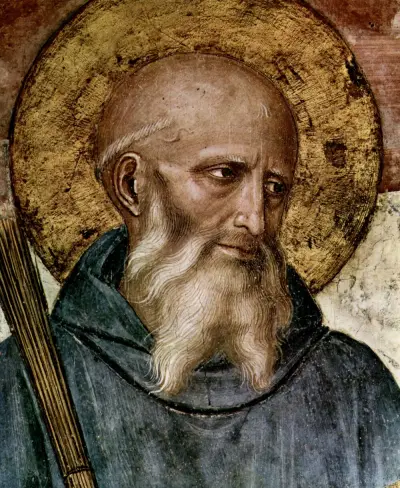 Litany of Saint BenedictFor 11 July and 21 March — the father of Western monks, with the MedalTraditional litany for private devotion
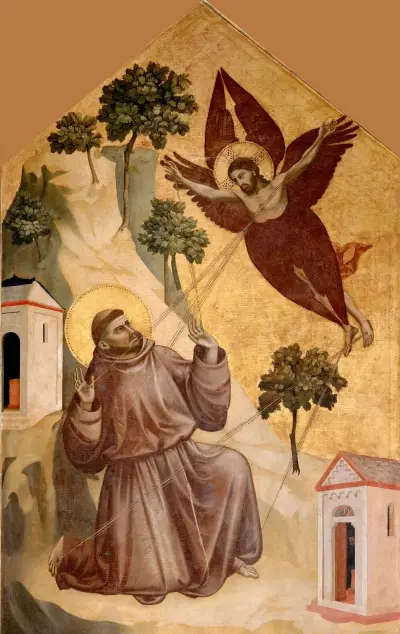 Litany of Saint Francis of AssisiFor 4 October and the Transitus — the Poverello, from San Damiano to La VernaTraditional litany for private devotion
For impossible causes, work and the hour of death
The prayers people turn to when everything else has been tried.
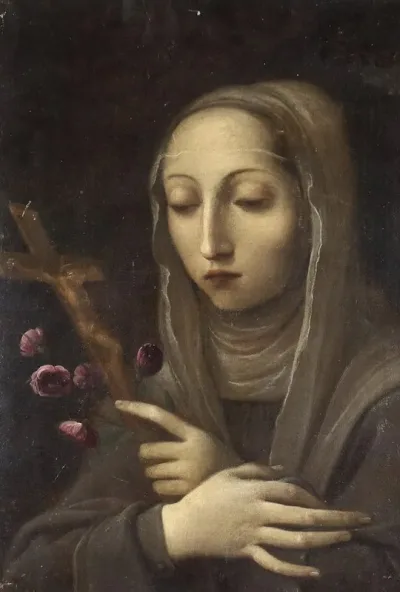 Litany of Saint Rita of CasciaThe advocate of impossible causes — for 22 May and the hardest casesTraditional litany for private devotion
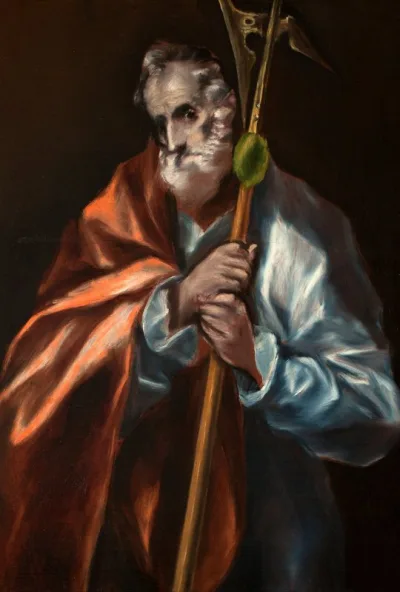 Litany of Saint Jude ThaddeusThe patron of desperate causes — for 28 October and the days of the monthTraditional litany for private devotion
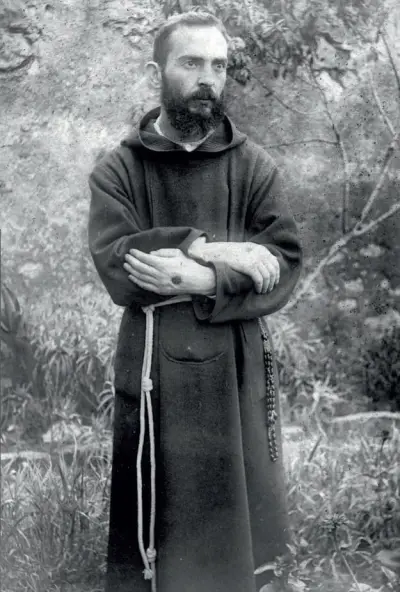 Novena for Impossible Causes (Padre Pio’s efficacious novena)Three petitions on three promises of Jesus — nine days, for the hardest casesThe efficacious novena to the Sacred Heart that Padre Pio prayed every day
 Litany of Saint Josemaría Escrivá to ask for workThe saint of ordinary work — for those looking for a job or beginning againComposed for this site, for private devotion, from his life and teaching
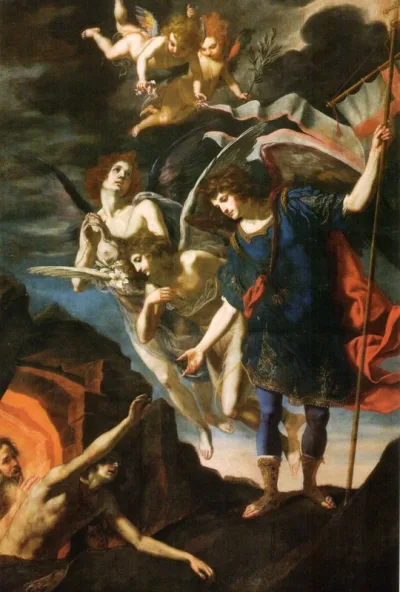 Litany for the DyingThe prayers the Church says at a deathbed, with the ProficiscereFrom the Commendation of the Soul in the Roman Ritual
Frequently asked questions
What is a litany?
A prayer in the form of a dialogue: the leader makes a short invocation (a title of God, of Our Lady or of a saint) and all answer with a fixed formula, such as "have mercy on us" or "pray for us". It always begins with the Kyrie and ends with the Lamb of God and a prayer.
Which litanies are approved by the Church?
Six: the Litany of the Saints, the Litany of Loreto (Our Lady), the Holy Name of Jesus, the Sacred Heart of Jesus, the Precious Blood and St Joseph. Only these may be sung in public worship; the rest are for private devotion.
Which is the litany for impossible causes?
The name is usually given to the Litany of St Rita of Cascia, advocate of impossible causes, and to that of St Jude Thaddeus, patron of desperate causes. The "novena for impossible causes" is the efficacious novena to the Sacred Heart that Padre Pio prayed every day. All three are on this page.
Is there a litany to ask for a job?
Yes: the Litany of St Josemaría Escrivá to ask for work, composed from the life and teaching of the saint of ordinary work, with six petitions for employment. People also turn to St Joseph the Worker and St Anthony.
How is a litany prayed in a group?
One person makes the invocations and the others answer. It may be sung or said. At the end the leader says the versicle, all answer, and the leader says the closing prayer, to which all say Amen.
Liturgical season
End of the year, Advent and Christmas
- All Souls Day2 November: prayers and indulgence
- Total consecration in 33 days25 October to 27 November
- St Andrew Christmas novena30 November to Christmas
- Advent wreath prayersThe prayers of the four Sundays
- The O Antiphons17 to 23 December
- Christmas novena16 to 24 December