Hymn of the Holy Name of Jesus (3 January)

Hymn of the Holy Name of Jesus (3 January)

Jesu, dulcis memoria — Jesus, the Very Thought of Thee

The Vespers hymn of the Holy Name of Jesus, in Latin and English

LatinEnglish

Iesu, dulcis memoria,
Dans vera cordis gaudia:
Sed super mel, et omnia,
Eius dulcis praesentia.

Jesu! the very thought of Thee
With sweetness fills my breast;
But sweeter far thy face to see,
And in thy presence rest.

Nil canitur suavius,
Nil auditur iucundius,
Nil cogitatur dulcius,
Quam Iesus Dei Filius.

Nor voice can sing, nor heart can frame,
Nor can the memory find,
A sweeter sound than thy blest name,
O Saviour of mankind!

Iesu, spes poenitentibus,
Quam pius es petentibus!
Quam bonus te quaerentibus!
Sed quid invenientibus?

O hope of every contrite heart,
O joy of all the meek,
To those who fall, how kind Thou art!
How good to those who seek!

Nec lingua valet dicere,
Nec littera exprimere:
Expertus potest credere,
Quid sit Iesum diligere.

But what to those who find? ah! this
Nor tongue nor pen can shew:
The love of Jesus, what it is,
None but his lov’d ones know.

Sis, Iesu, nostrum gaudium,
Qui es futurus praemium:
Sit nostra in te gloria,
Per cuncta semper saecula.
Amen.

Jesu! our only joy be Thou,
As Thou our prize wilt be;
Jesu! be Thou our glory now,
And through eternity.

SourceHymn of the Holy Name of Jesus (3 January) · The Vespers hymn of the Holy Name of Jesus, in Latin and English

The history of this prayer

“Jesu, dulcis memoria” is the Vespers hymn of the feast of the Holy Name of Jesus. The five stanzas given here are those of the Roman Breviary: they speak of the sweetness of thinking of Jesus, of saying His name and, above all, of being with Him — “sweeter far thy face to see, and in thy presence rest”. The fourth stanza sums up Christian mysticism in four lines: no tongue can tell it and no pen can write it; only those who have known it know what it is to love Jesus.

Who wrote it

The stanzas come from a much longer poem, the “Jubilus” on the name of Jesus, which runs to between 42 and 53 stanzas in the manuscripts. For centuries it was ascribed to St Bernard of Clairvaux, and many books still call it “St Bernard’s hymn”. Study of the manuscripts, above all by André Wilmart in the twentieth century, showed that it is later: it was written at the end of the twelfth century, probably by an English Cistercian monk formed in Bernard’s spirituality. The author remains unknown; the spirit is Bernard’s.

From the poem the Breviary took three hymns for the feast of the Holy Name: this one at Vespers, “Jesu, Rex admirabilis” at Matins and “Jesu, decus angelicum” at Lauds.

The feast of the Holy Name

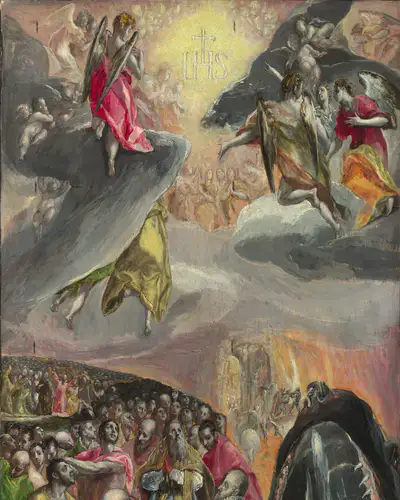
Devotion to the name of Jesus was preached with fervour by St Bernardine of Siena in the fifteenth century, with the monogram IHS. The feast was granted to the Franciscans in the sixteenth century and extended to the whole Church in 1721. St Pius X fixed it on the Sunday between the Circumcision (1 January) and the Epiphany, or on 2 January when there is no such Sunday. The 1969 calendar suppressed it, and the 2002 Missal restored it as an optional memorial on 3 January. Those who follow the traditional calendar keep it on the Sunday between 2 and 5 January.

The translation

The English is by Edward Caswall (1814–1878), an Anglican clergyman who became a Catholic in 1847 and later a priest of the Oratory under St John Henry Newman. It appeared in his “Lyra Catholica” (1849), which translates every hymn of the Breviary; the spelling here is that of the first edition.

The hymn may be prayed at any time, after Communion or before the Blessed Sacrament, and especially in January, the month of the Holy Name.

Frequently asked questions

Who wrote “Jesu, dulcis memoria”?

It was long ascribed to St Bernard of Clairvaux, but scholars now hold that it is by an unknown author of the late twelfth century, probably an English Cistercian monk.

Who translated “Jesus, the very thought of Thee”?

Edward Caswall, in his “Lyra Catholica” (1849), a translation of all the hymns of the Roman Breviary and Missal.

When is the feast of the Holy Name of Jesus?

In the current calendar, an optional memorial on 3 January. In the traditional calendar, the Sunday between 2 and 5 January, or 2 January if there is none.

Does the hymn have more verses?

Yes. The full poem has between 42 and 53 stanzas in the manuscripts. The Breviary uses five at Vespers and others at Matins and Lauds.

When may it be prayed?

At any time, especially after Communion, before the Blessed Sacrament and throughout January, the month of the Holy Name.

More prayers: Hymns

← All the traditional prayers · Prayers and novenas

Schola Gregoriana · CC BY-SA